The Full Catalogue
Every panel type, and what it is actually for
Pick the panel or the complete system. Prices update as you choose the size and the panel type — and the figures shown are before subsidy.

Mono PERC Half-Cut
Most homes start here
₹14,500₹17,90019% Off
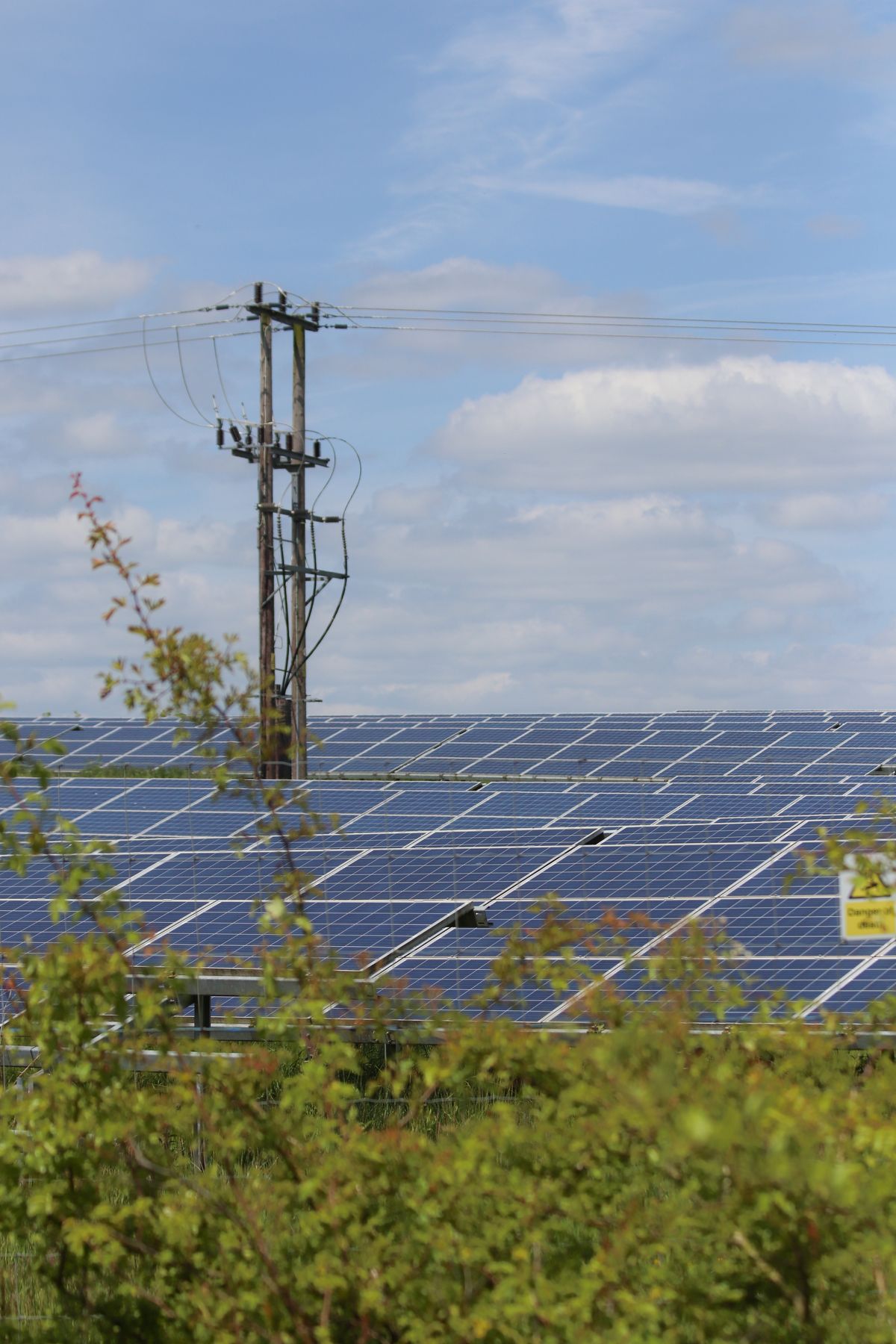
The default choice for a rooftop in India. High output, and the half-cut design keeps producing when one part of the panel is shaded by a tank or a parapet.
TOPCon N-Type
Highest output per sq ft
₹19,400₹24,00019% Off
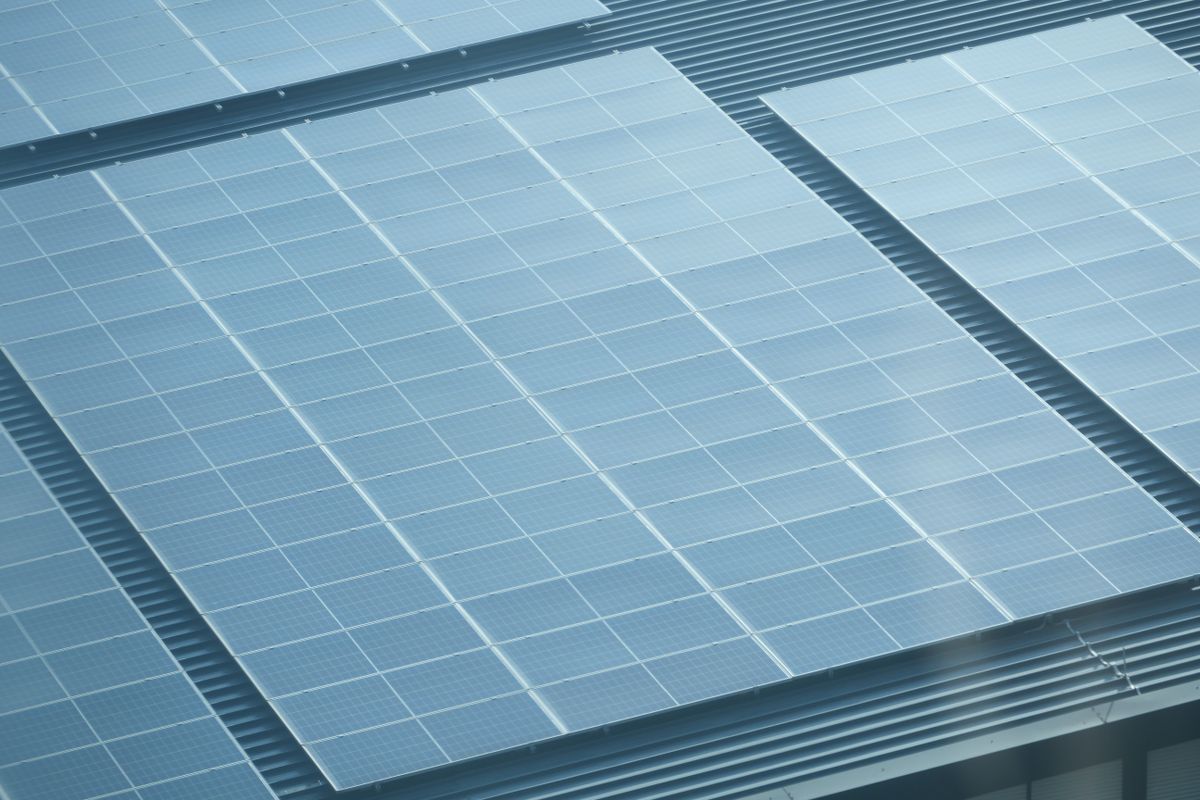
The newest cell technology we stock. Highest efficiency, best performance in Nagpur summers, and it degrades more slowly than anything else on this page.
Bifacial Glass-to-Glass
Generates from both sides
₹21,000₹26,50021% Off
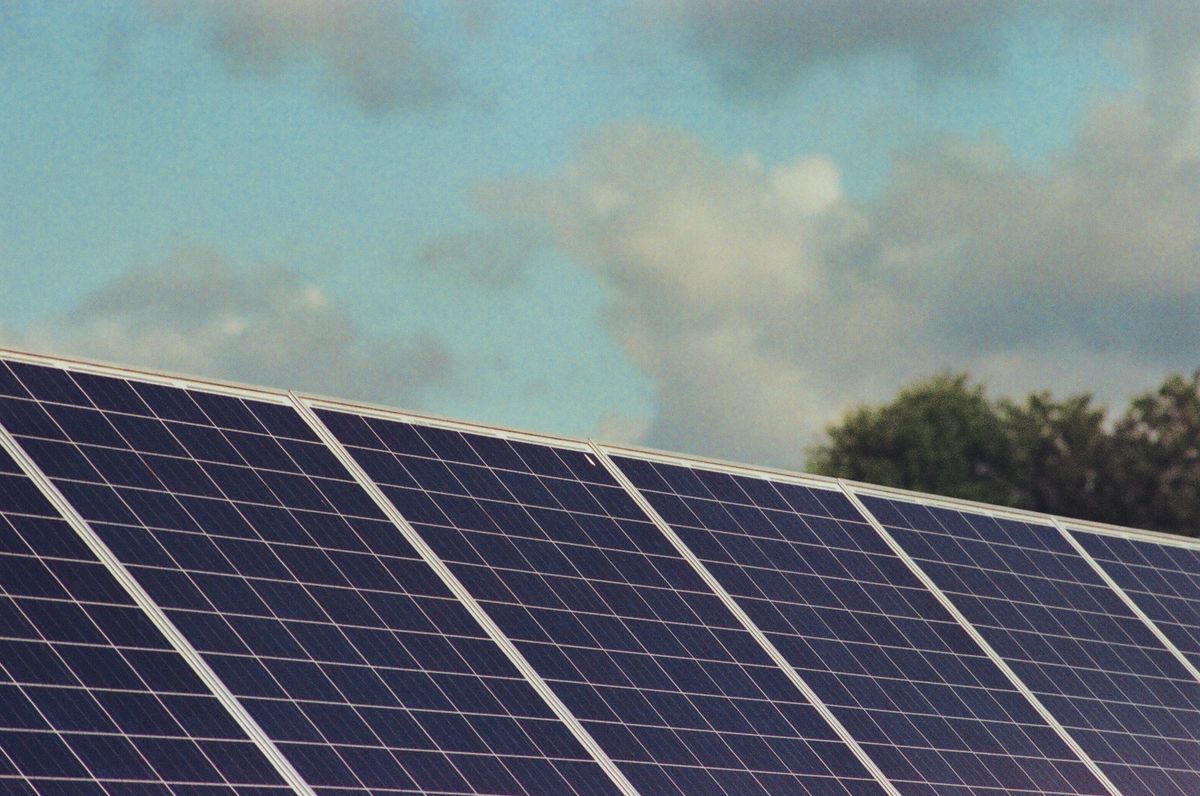
Glass on both faces, so it also collects the light bouncing off your roof. Worth doing on a light-coloured terrace or an elevated structure — not on a dark tiled roof.
Polycrystalline
The budget option
₹9,800₹12,40021% Off
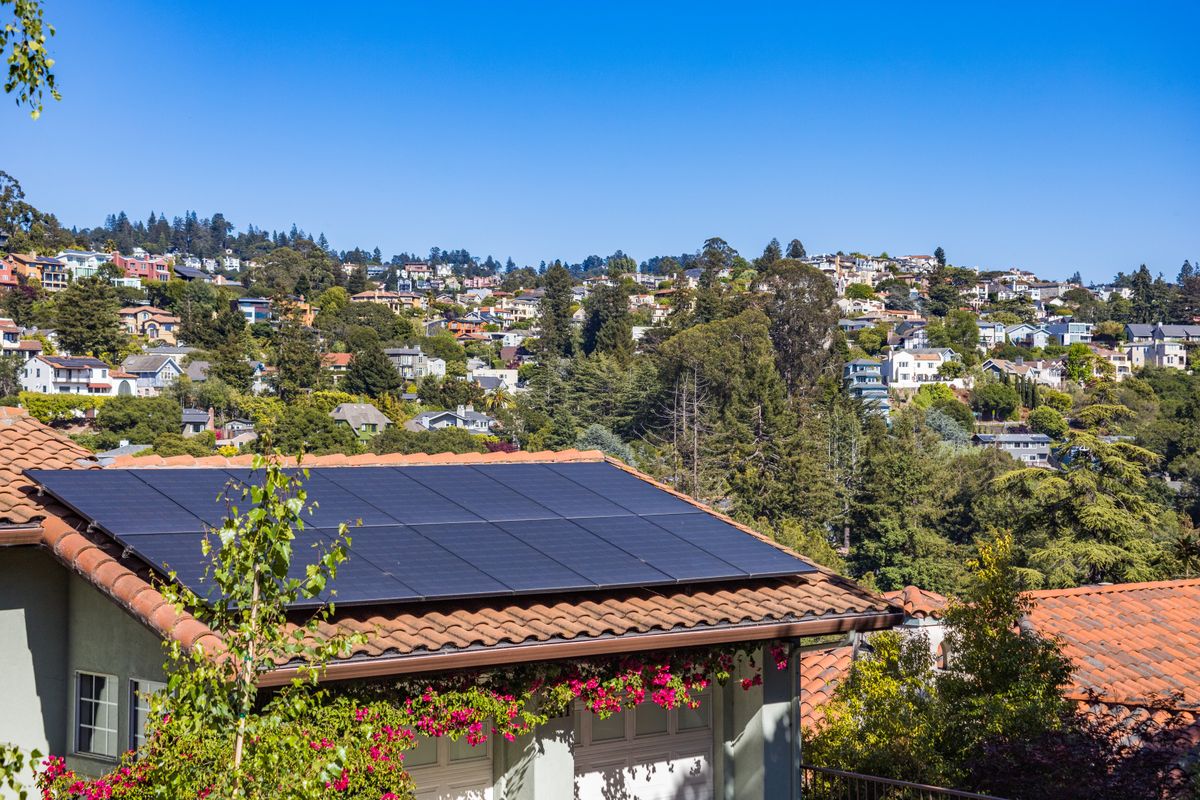
Lower efficiency, lower price. Only makes sense when you have plenty of roof and a tight budget — we will say so if that is not you.
On-Grid Rooftop System
Complete system · Subsidy eligible
₹62,000₹74,00016% Off
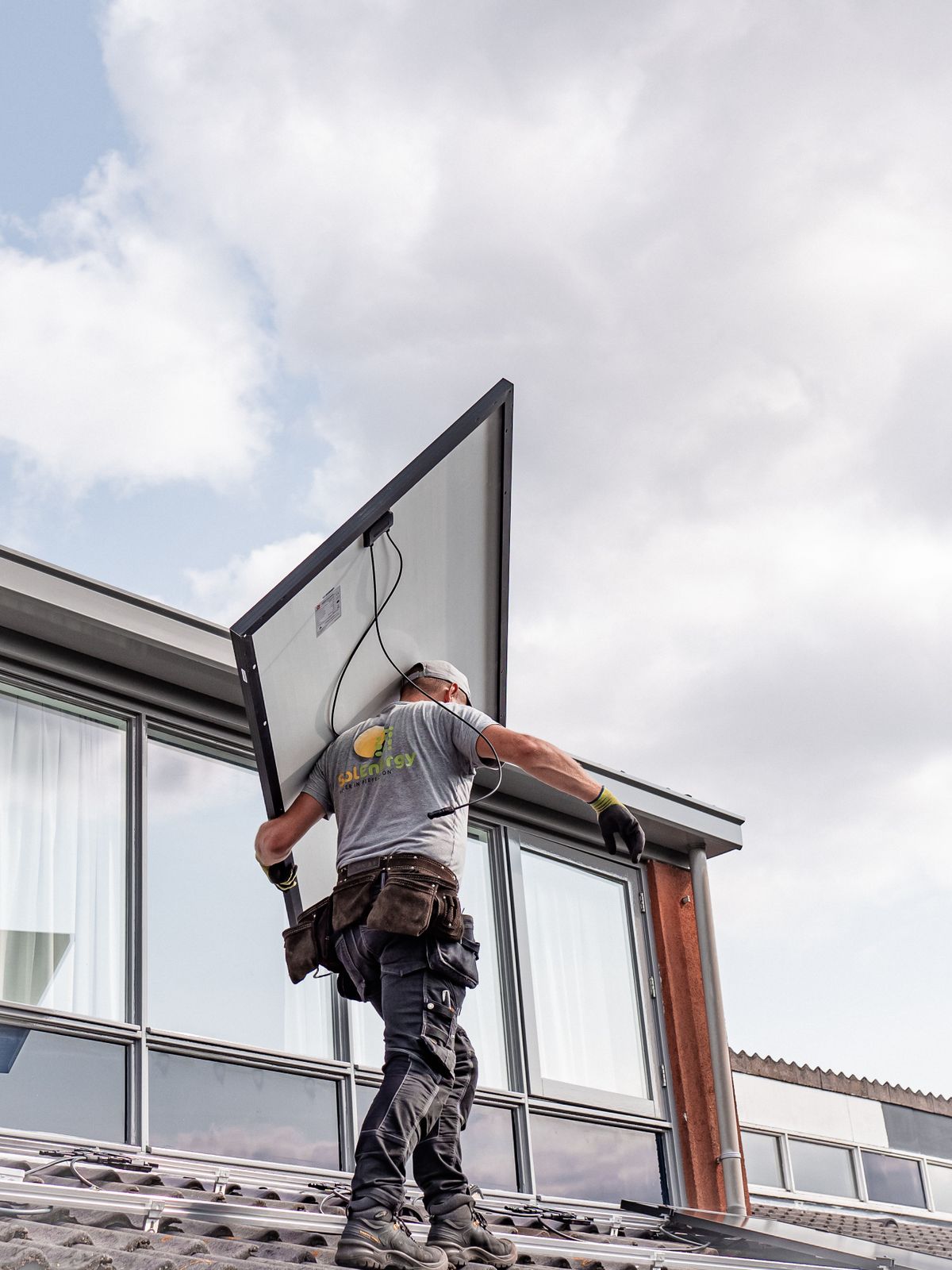
The complete job — panels, inverter, mounting, wiring, net metering and the subsidy paperwork. What most homes actually buy.
Hybrid System with Battery
Backup included · Subsidy eligible
₹2,15,000₹2,48,00013% Off
On-grid savings plus backup that keeps running through a power cut. Costs more, and for most homes it is worth it only if cuts are frequent.

Off-Grid System
No grid needed
₹1,85,000₹2,14,00014% Off
No grid connection at all — battery and panels only. For farms, borewells and sites where the line has never reached.
Solar Water Heater
Fastest payback
₹24,000₹29,50019% Off
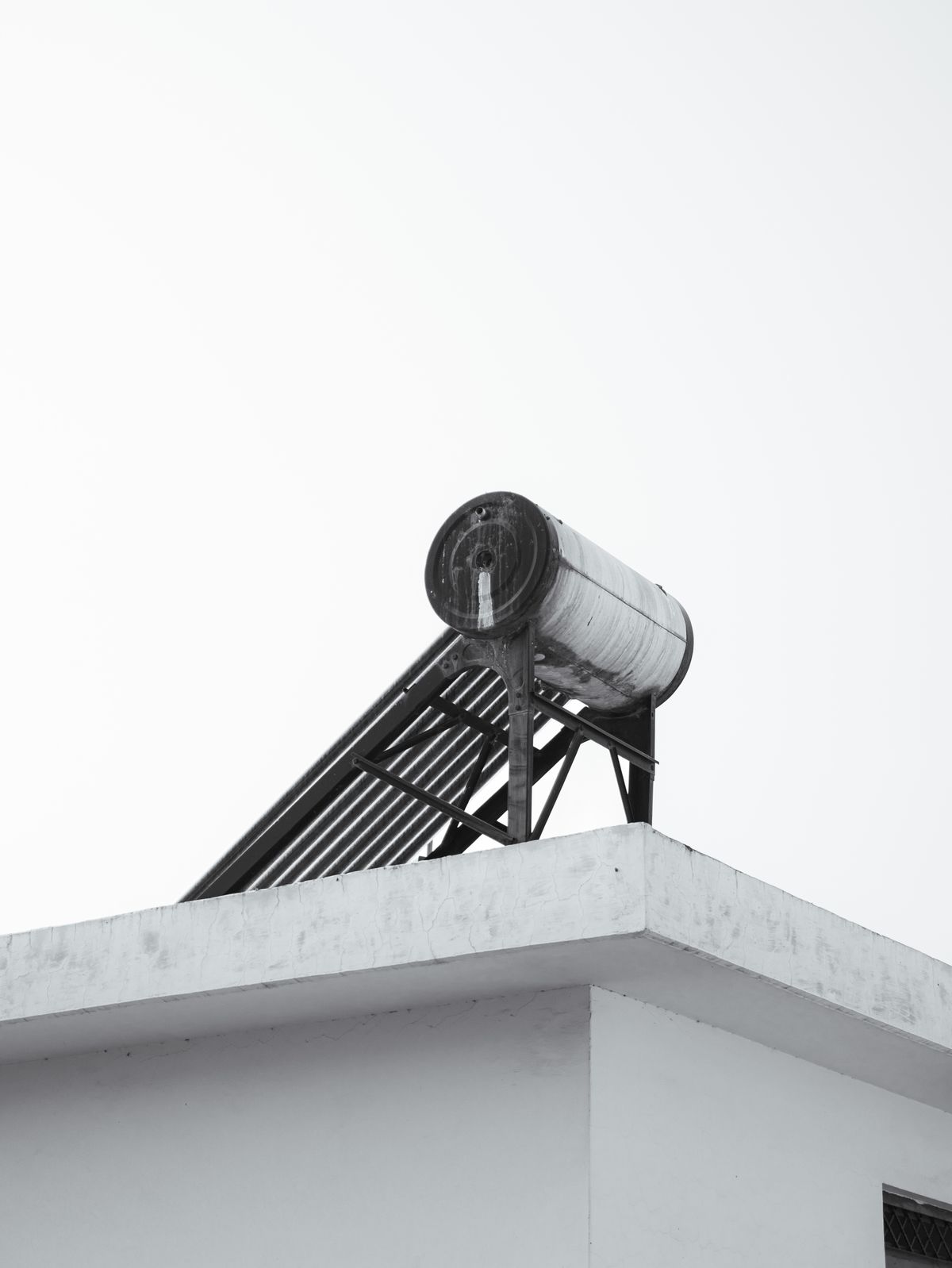
The cheapest solar you can buy, and it pays back fastest. Nothing to do with your electricity meter — it just stops the geyser running.
Recent Work
Roofs around Nagpur
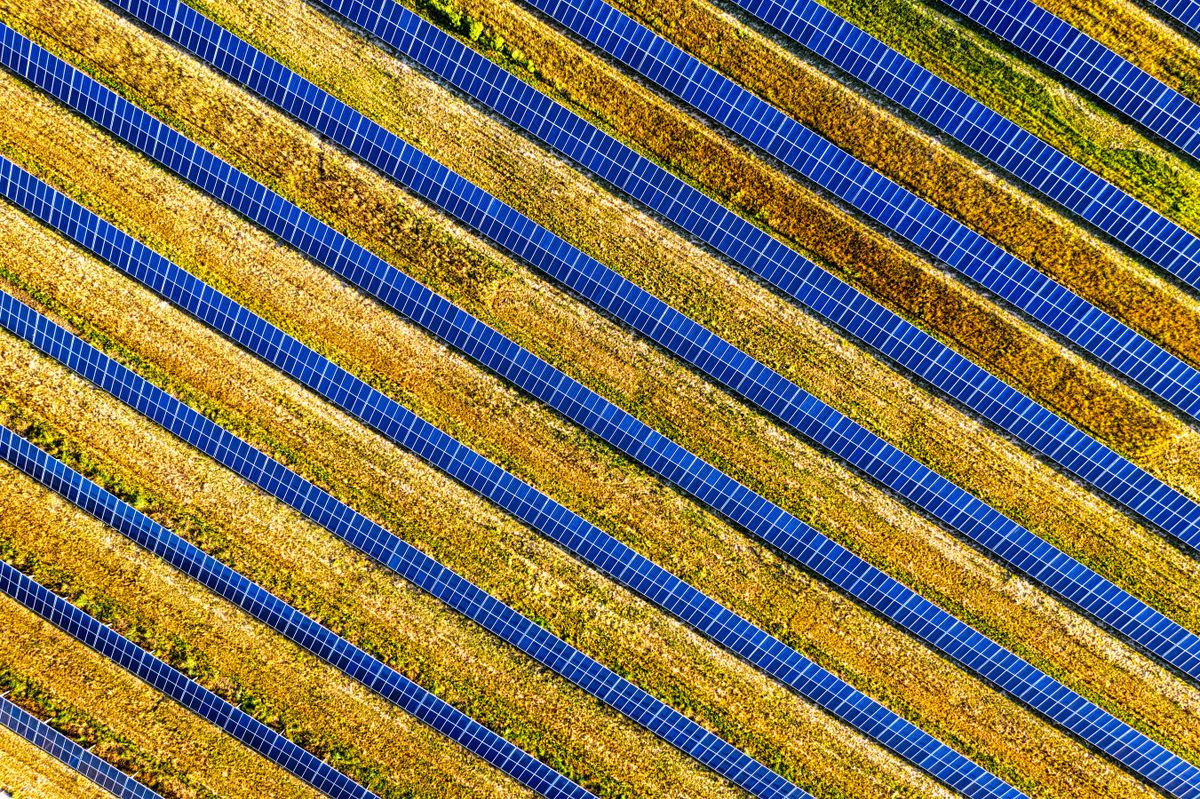
Nothing sells solar like seeing it on a roof like yours.


Questions
The things people ask before they commit
How much will this actually cut my bill?
For a correctly sized on-grid system, most of our residential customers end up paying only the fixed charges — usually between ₹90 and ₹300 a month against ₹3,000-₹5,000 before. It depends on how well the system size matches your usage, which is exactly what the free survey is for. We would rather show you the number from your own bills than quote you an average.
What subsidy can I get, and do you handle it?
Residential rooftop systems are eligible under the PM Surya Ghar scheme, which pays a fixed amount per kW up to a cap for systems of 3 kW and above. We register you on the National Portal, get the DISCOM approvals, submit the claim and follow it up until it is credited. We charge nothing for this and we do not take a share of it. Rates are set by the government and do change, so we will confirm the current figure at your survey.
What happens during a power cut?
An on-grid system shuts down. That is a safety rule, not a fault — it stops your panels feeding a line that a lineman may be working on. If you want power through a cut you need the hybrid system with a battery, which costs more. We will tell you plainly whether your area has enough cuts to justify it.
Will the panels damage my roof, and what about leaks?
On an RCC roof the structure is ballasted or chemically anchored and the roof is not penetrated at all. On a tiled or sheet roof we use proper flashing at every fixing. We have not caused a leak yet, and if we did it would be ours to fix.
How much roof do I need?
Roughly 80 square feet of shade-free roof per kW with Mono PERC panels, a little less with TOPCon. Shade matters more than area — a water tank or a neighbouring wall that shades the array for two hours a day changes the design and sometimes the panel choice.
What does it need in the way of maintenance?
Cleaning, mainly. Dust in this region can cost you 15-25% of your output in the dry months, and rinsing the array every few weeks recovers most of it. Beyond that it is an annual electrical check. There are no moving parts.
How long until it pays for itself?
For a residential on-grid system after subsidy, typically three to five years, then twenty more years of near-zero bills. Commercial systems are usually faster because the tariff is higher and the depreciation benefit applies.
solar
Suryodaya Solar — rooftop solar for homes and businesses across Nagpur. Panels, inverters, net metering and the PM Surya Ghar subsidy, handled end to end. Fitting since 2016.
Contact
- +91 90280 33445
- hello@suryodayasolar.in
- Plot 14, Wardha Road, Somalwada, Nagpur, Maharashtra 440025
© 2026 solar. All rights reserved.
Powered by Tapify